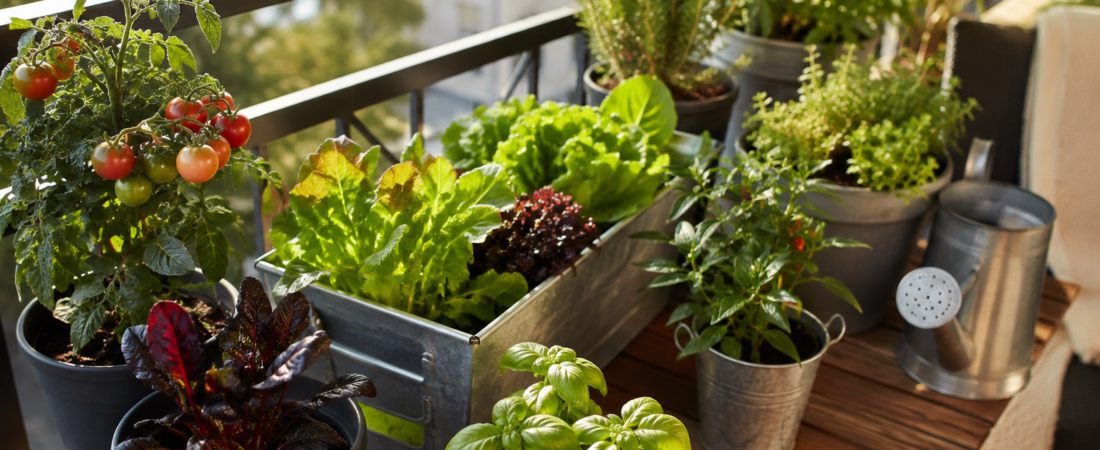
Container gardening for beginners is a simple way to grow vegetables, herbs, and other plants when you have limited space.
Container gardening is one of the easiest ways to grow plants when you have limited space. You don’t need a large backyard or a complicated setup—a few suitable containers, good soil, and the right plants can be enough to create a productive little garden.
Whether you have a balcony, patio, windowsill, or small outdoor space, these simple container gardening ideas can help beginners get started with confidence.
1. Choose the Right Containers for Container Gardening
The container you choose can make a big difference in how well your plants grow. Start with pots that have drainage holes so excess water can escape. Most beginner-friendly vegetables and herbs need enough space for their roots, so avoid containers that are too small.
You can use traditional pots, fabric grow bags, window boxes, or even repurposed containers as long as they are clean, sturdy, and suitable for growing plants. Choose a container size based on the mature size of the plant rather than its current size.
2. Pick Plants That Thrive in Containers
Not every plant performs equally well in a container, especially when you are just starting out. Herbs such as basil, mint, parsley, chives, and oregano are excellent choices because they can grow well in relatively small spaces.
For vegetables, consider compact varieties of tomatoes, peppers, lettuce, radishes, and green onions. Choosing plants that match the size of your containers will make watering, feeding, and general maintenance much easier.
3. Use Quality Potting Mix
Good soil is one of the most important parts of successful container gardening. Garden soil from the ground can become too compact in a pot and may not provide the drainage that container plants need.
Instead, use a quality potting mix that is light, well-draining, and able to hold enough moisture for the roots. A good growing medium gives roots room to breathe while still providing the moisture and nutrients plants need to grow.
4. Make Sure Your Containers Get Enough Sunlight
Most vegetables and herbs need several hours of sunlight each day to grow well. Before placing your containers, observe your space and find the area that receives the most consistent light.
If you have a balcony or patio, you can move containers around to make better use of available sunlight. Keep in mind that the amount of light can change throughout the year, so you may need to adjust the position of your plants as the seasons change.
5. Water Your Plants the Right Way
Container plants can dry out faster than plants growing in the ground, so regular watering is important. Check the soil before watering rather than following a fixed schedule. If the top inch of soil feels dry, it is usually a good time to water.
Water slowly until you see a little water drain from the bottom of the container. This helps moisten the entire root area while allowing excess water to escape. Avoid leaving containers sitting in water, as constantly wet roots can lead to problems.
6. Feed Your Plants Regularly
Plants growing in containers have a limited amount of soil available to them, so nutrients can become depleted over time. Once your plants are established, occasional feeding with a suitable fertilizer can help support healthy growth.
Follow the instructions on the fertilizer label and avoid applying more than recommended. Too much fertilizer can damage roots and create more problems than it solves.
7. Give Each Plant Enough Space
Even when plants are growing in containers, they still need room to develop. Crowding too many plants into one pot can lead to competition for water, nutrients, sunlight, and root space.
Check the spacing recommendations for the plants you choose and avoid overcrowding. Giving each plant enough room can improve airflow and make everyday care much easier.
8. Keep Your Garden Simple
One of the best things about container gardening is that you can start small and expand over time. Begin with a few plants that you enjoy growing rather than filling every available space at once.
As you gain experience, you can experiment with different containers, plants, and growing methods. Pay attention to what works well in your space, learn from the plants that struggle, and gradually build a container garden that fits your lifestyle.
Conclusion
Container gardening doesn’t have to be complicated. With the right containers, suitable plants, good potting mix, adequate sunlight, and consistent care, even a small space can become a productive and enjoyable garden.
Start with a few plants, learn as you go, and give yourself time to improve. A small container garden today can be the beginning of something much bigger. 🌱