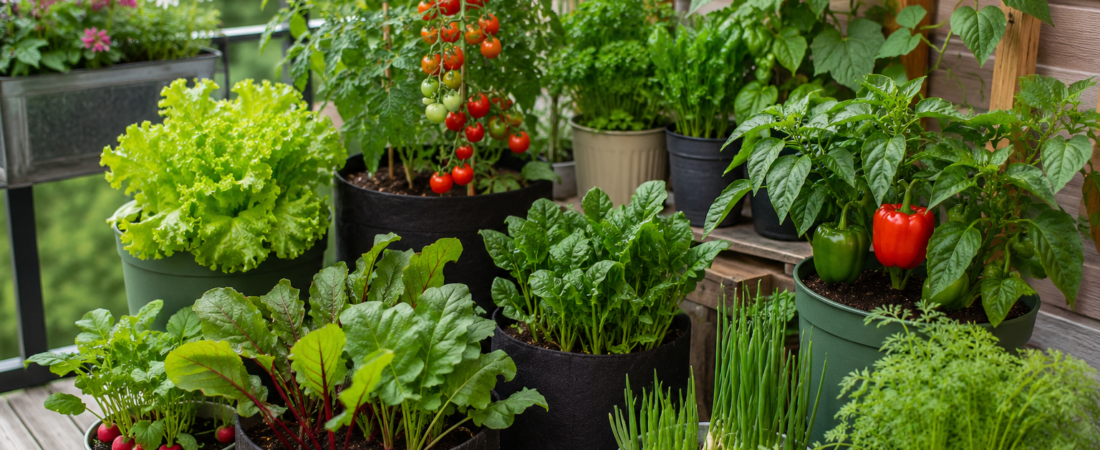
Growing vegetables to grow in containers doesn’t require a large backyard. With the right containers, good soil, enough sunlight, and a little patience, even a balcony, patio, or small corner can become a productive vegetable garden.
The best vegetables to grow in containers are plants that can adapt to limited root space while still giving you a useful harvest. If you’re new to gardening, start with a few easy crops and expand as you gain confidence.
1. Cherry Tomatoes
Cherry tomatoes are one of the most rewarding vegetables to grow in containers. A healthy plant can produce plenty of small, flavorful tomatoes throughout the growing season.
Choose a container with good drainage and place it somewhere that receives several hours of sunlight each day. Some tomato varieties grow tall, so a stake or simple support can help keep the plant upright.
Beginner tip: Keep the soil consistently moist, but avoid leaving the roots sitting in water.
2. Radishes
If you want a vegetable that doesn’t take too long to harvest, radishes are an excellent choice.
They don’t need a very deep container and can grow well in relatively small spaces. This makes them particularly useful for balconies and small patios.
Sow the seeds directly into the container rather than transplanting them.
Beginner tip: Plant a small batch every couple of weeks so you can enjoy several harvests instead of everything being ready at once.
3. Lettuce
Lettuce is one of the easiest leafy vegetables for container gardening.
It doesn’t require a huge amount of space, and several plants can grow together in one wide container. You can also harvest the outer leaves gradually while allowing the center of the plant to continue growing.
Beginner tip: Keep the soil evenly moist and harvest the outer leaves first for a longer harvest period.
4. Green Beans
Green beans can be surprisingly productive in containers.
Bush varieties are especially convenient because they remain relatively compact. Climbing varieties can also work if you have enough vertical space and provide a simple trellis or support.
Growing upward is a smart way to make better use of a small garden.
Beginner tip: Pick beans regularly once they begin producing. Frequent harvesting can encourage the plant to keep producing.
5. Peppers
Peppers are another excellent option for container gardeners.
Sweet peppers and smaller hot pepper varieties can grow well in pots when they receive enough sunlight. Their relatively compact growth makes them suitable for balconies, patios, and other small spaces.
Choose a sturdy container with good drainage and place it in a warm, sunny location.
Beginner tip: Don’t allow the soil to become completely dry for long periods, especially during hot weather.
6. Carrots
Carrots might seem like a vegetable that requires a traditional garden bed, but they can grow successfully in containers.
The most important consideration is container depth. Shorter carrot varieties are often easier for beginners because they don’t require as much room underground.
Use loose, well-draining soil so the roots can develop without being restricted.
Beginner tip: Avoid compacting the soil. Loose soil gives developing carrots more room to grow.
7. Spinach
Spinach is a great choice when you want to grow fresh leafy greens without using much space.
It can grow in containers and doesn’t require the large root area needed by many fruiting vegetables. Young spinach leaves can be harvested for salads, while larger leaves can be used in cooked dishes.
Beginner tip: Harvest gradually instead of removing all the leaves at once so the plant has a chance to continue producing.
8. Green Onions
Green onions are among the simplest vegetables for beginners to grow.
They need very little space and can fit into smaller containers. Their upright growth also makes it possible to grow several plants without taking up much room.
They’re especially useful if you regularly use fresh onions while cooking.
Beginner tip: Harvest the green tops as needed and allow the plants to continue growing.
9. Bush Cucumbers
Cucumbers are often associated with large gardens, but compact or bush varieties can work well in containers.
They need plenty of sunlight, regular watering, and enough room for their roots. A small support can also help keep the plant organized and prevent it from spreading across your entire growing area.
Beginner tip: Check the seed packet before planting. Compact or bush varieties are generally easier to manage in containers than large sprawling types.
10. Beetroot
Beetroot is another vegetable that can make good use of container space.
The edible root develops below the soil while the leafy tops grow above it, allowing you to produce food from a relatively small growing area.
Choose a container with enough depth for the variety you plan to grow.
Beginner tip: Thin crowded seedlings early so each beetroot has enough space to develop properly.
How to Choose Containers for Vegetables to Grow in Containers
Choosing the right container can make a big difference in how well your vegetables grow.
Always make sure the container has drainage holes so excess water can escape. Waterlogged soil can cause problems for plant roots.
The size of the container should also match the mature size of the plant. A small seedling may look comfortable in a tiny pot, but it may need much more space as it grows.
When possible, choose a container based on the plant’s expected root and overall size rather than its size when you buy it.
Give Your Vegetables Enough Sunlight
Sunlight is one of the most important factors when growing vegetables in containers.
Many vegetables, especially tomatoes and peppers, perform best when they receive several hours of direct sunlight each day.
Before filling your balcony or patio with containers, spend a day observing how sunlight moves across the space. This can help you decide where to place sun-loving vegetables and where to keep plants that prefer less intense conditions.
Don’t Make This Common Beginner Mistake
One of the biggest mistakes beginners make is trying to grow too many vegetables at once.
It can be tempting to fill every available pot, but a small garden that you can properly water, feed, and monitor is much easier to manage.
Start with two or three vegetables. Once you understand how quickly your containers dry out and how much sunlight your space receives, you can gradually add more plants.
Make the Most of a Small Space
You don’t need dozens of containers to start growing your own food.
A few well-chosen pots with tomatoes, lettuce, radishes, peppers, or green onions can turn an otherwise unused balcony or patio into a productive little garden.
You can also make better use of limited space by combining different types of plants. Grow compact vegetables at ground level and use vertical supports for climbing varieties when appropriate.
The goal isn’t to create the biggest garden possible. It’s to create a garden that fits your space and is easy for you to enjoy.
Final Thoughts
Growing vegetables in containers is a simple way to start gardening, especially when outdoor space is limited.
The key is to choose vegetables that match your containers, sunlight, and available space. Start small, pay attention to how your plants respond, and don’t be afraid to learn from a few mistakes.
Once you harvest your first homegrown vegetable, even a small container garden can become surprisingly rewarding. 🌱